
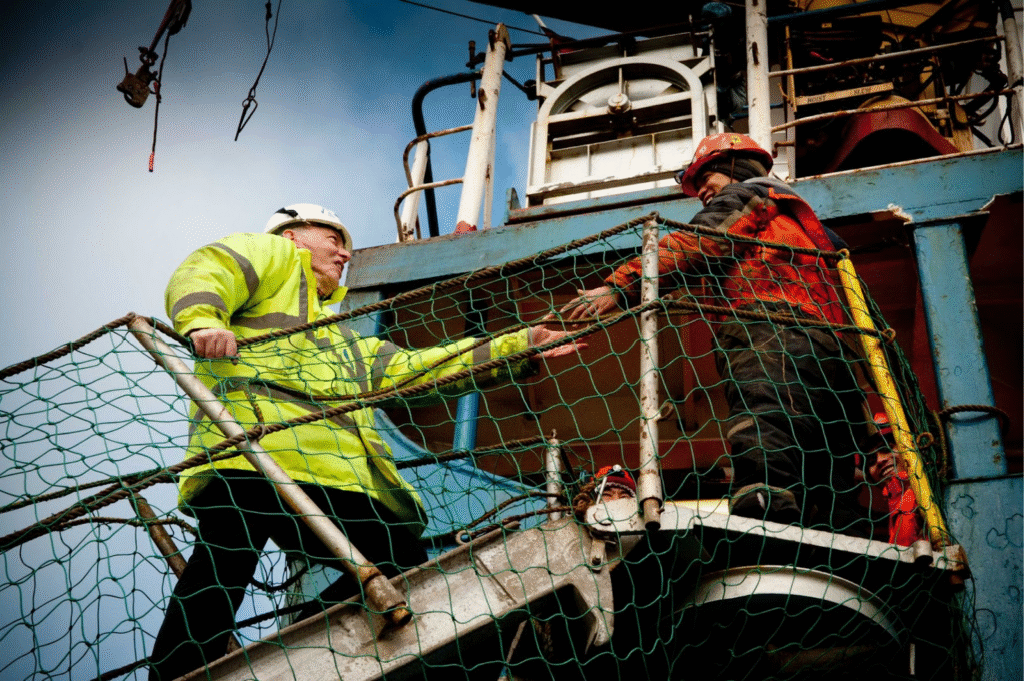
Many assume they know what life at sea is like, but often, reality is far from the romanticized version. For international and local seafarers alike, days are long, storms are fierce, and simple comforts are rare. Newfoundland and Labrador, with its centuries-old maritime tradition, plays a vital role in supporting these unsung heroes. Yet few people truly understand what happens beyond the horizon or inside our own ports.
From historic outports to surprising sea rituals, here are 10 things you didn’t know about life at sea, with a spotlight on Newfoundland ports:
The Real Reason Behind So Many Outports
Outports were originally established in areas where families could find shelter, fresh water, and access to fishing grounds. As new, more productive waters were discovered, entire communities would relocate, leading to hundreds of small outports spread across Newfoundland and Labrador. Geography shaped these unique settlements,and their deep maritime connection.
Some Seafarers Go Months Without Touching Land
Many international seafarers spend 6 to 9 months at sea, often with few or no chances to disembark. When they do get shore leave, it’s typically limited to just a few precious hours—the only time they may connect with land, family, or a moment of stillness.
Ships Can Feel Like Small Floating Towns
With up to 25 crew members from all over the world, ships often function like small multicultural villages. Despite language barriers, close bonds are formed. And when they reach Newfoundland, it’s not just a port, it’s a place that welcomes their floating family.
North Atlantic Storms Are No Joke
Crossing to or from Newfoundland means navigating some of the world’s most brutal ocean storms with hurricane-force winds and waves reaching 60 feet high. For many, arriving in Newfoundland means reaching the safe side of the ocean.
Shore Time Is Precious & Short
When shore leave is finally granted, it usually lasts only 2–6 hours. Seafarers often use this time to buy essentials, send money home, contact loved ones, or simply breathe in fresh air. Every minute counts.
Wi-Fi Is Still a Luxury
Not all ships are equipped with Wi-Fi. For many, internet access is rare or unavailable, making any chance to check in with family or receive messages during port visits incredibly meaningful. This is why ports like St. John’s are crucial touchpoints for human connection.
Karaoke Nights at Sea Are Real
Despite the tough conditions, seafarers find joy together,karaoke, talent shows, and shared meals are common aboard many ships. These moments build morale and friendships that often last a lifetime.
Bananas Are Still Considered Bad Luck
A centuries-old superstition still exists: bananas bring bad luck at sea. While it may sound strange, many crews still avoid them,so if you don’t see bananas on the supply list, now you know why!
Newfoundland Is Known as One of the Kindest Ports
Time and again, seafarers describe Newfoundland as one of the friendliest ports in the world. Despite its rugged weather, the people offer warmth, kindness, and an unmistakable sense of home,even if only for a short stay.
A Legacy of Rescue and Refuge
Newfoundland holds a historic reputation for rescuing seafarers from icy waters and dangerous wrecks. From World War convoys to modern crises, its ports have been places of hope, healing, and humanity,a true lifeline for those at sea.
Which One Surprised You Most?
Seafarers, local and international, shape our world in ways we rarely notice.
Did you learn something new about life at sea?
Have you ever met a seafarer passing through?
Share your thoughts below, and tag a friend who should read this!


I learned some new things today, this is wonderful, thank you for sharing.